The Importance of Exercise from a Young Age: Building Lifelong Healthy Habits
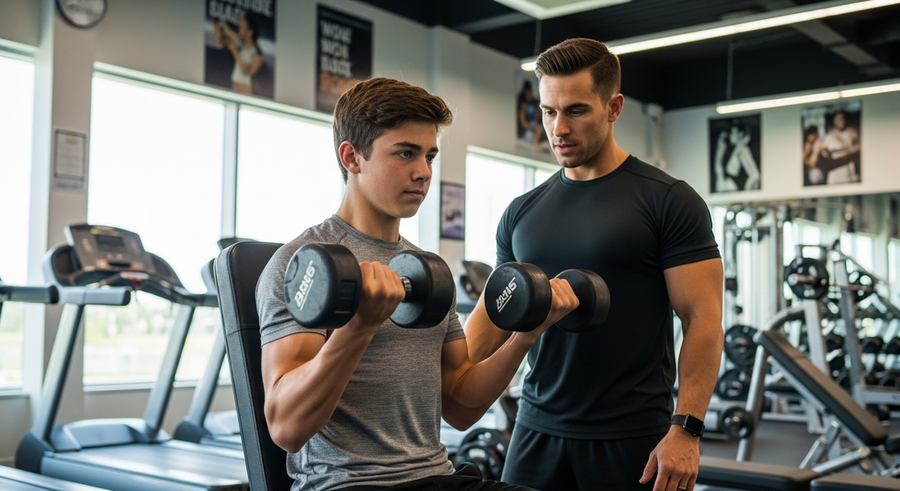
As a personal trainer serving families across Hale Barns, Sale, and Altrincham for over 15 years, I see firsthand how childhood exercise habits shape adult health. The earlier we introduce children to regular physical activity, the stronger foundation we build for their lifelong wellbeing.
In today's digital age, getting children active has never been more important—or more challenging. With screens competing for attention and structured schedules leaving little time for play, many children are missing out on the fundamental benefits of regular exercise. But here's the good news: it's never too early (or too late) to start building healthy habits that will last a lifetime.
Why Starting Young Makes All the Difference
1. Physical Development and Growth
During childhood and adolescence, regular physical activity is crucial for proper bone development, muscle growth, and cardiovascular health. Children who exercise regularly develop stronger bones, better coordination, and improved motor skills that serve them throughout life.
Key Benefits:
- Enhanced bone density and strength
- Improved cardiovascular fitness
- Better balance and coordination
- Healthy weight management
- Stronger immune system
2. Mental Health and Cognitive Benefits
Exercise isn't just about physical health—it's equally important for mental and emotional wellbeing. Children who are active show improved academic performance, better concentration, and enhanced mood regulation.
Research consistently shows that physical activity stimulates brain development, improves memory, and helps children better manage stress and anxiety—skills that become invaluable as they navigate school and social challenges.
3. Social Skills and Confidence Building
Group activities and sports teach children valuable social skills including teamwork, communication, and leadership. These experiences build confidence and help children develop healthy relationships with peers.
The Power of Family Fitness: Working Out Together
One of the most effective ways to instill healthy habits in children is to make fitness a family affair. When parents and children exercise together, it creates positive associations with physical activity and demonstrates that fitness is a priority.
Benefits of Exercising as a Family
For Children:
- • Exercise becomes associated with fun and family time
- • Learn by watching positive role models
- • Develop intrinsic motivation rather than external pressure
- • Build confidence through family support
For Parents:
- • Quality bonding time with children
- • Opportunity to model healthy behaviors
- • Shared accountability for staying active
- • Stress relief and improved family dynamics
Practical Family Fitness Ideas for Sale & Altrincham Families
Living in Greater Manchester provides fantastic opportunities for family fitness. Here are practical activities that work well for busy families in our area:
Indoor Activities (Perfect for Manchester Weather!)
1. Living Room Workout Circuits
Create simple circuits using bodyweight exercises:
- Ages 5-8: Animal walks (bear crawls, frog jumps), dance breaks, simple yoga poses
- Ages 9-12: Modified push-ups, jumping jacks, wall sits, stretching routines
- Teens: Full bodyweight circuits, planks, squats, and core exercises
2. Interactive Fitness Games
- Fitness dice games (roll for different exercises)
- Follow-the-leader with movement challenges
- Dance competitions to favorite music
- Yoga story time for younger children
Outdoor Activities (Making the Most of Our Local Area)
1. Local Park Adventures
Sale and Altrincham have wonderful parks perfect for family fitness:
- Sale Water Park: Walking, jogging, and playground activities
- Altrincham Park: Football, frisbee, and outdoor gym equipment
- Stamford Park: Beautiful walks and open spaces for games
2. Seasonal Activities
- Spring/Summer: Cycling along the Trans Pennine Trail, outdoor sports, garden games
- Autumn/Winter: Brisk walks, playground adventures, indoor climbing walls
Age-Appropriate Exercise Guidelines
Ages 3-5: Foundation Years
Goal: Make movement natural and enjoyable
- Focus on fundamental movement skills (running, jumping, throwing)
- Short, fun activities (10-15 minutes)
- Emphasize play over structured exercise
- Encourage exploration and creativity in movement
Ages 6-9: Skill Development
Goal: Develop basic sports skills and coordination
- Introduce organized sports and activities
- Focus on skill development over competition
- Activities can last 20-30 minutes
- Encourage trying different activities to find interests
Ages 10-14: Building Habits
Goal: Establish regular exercise routines
- Can handle longer, more structured activities (45+ minutes)
- Introduce basic strength training concepts (bodyweight exercises)
- Focus on enjoyment and social aspects
- Begin discussing the importance of regular exercise
Ages 15+: Lifelong Patterns
Goal: Develop independence in fitness choices
- Can participate in adult-style workouts with modifications
- Focus on finding personally meaningful activities
- Discuss long-term health benefits
- Encourage goal-setting and self-monitoring
Overcoming Common Challenges
Challenge 1: "My child isn't interested in sports"
Solution: Remember that exercise doesn't have to mean traditional sports. Try:
- Dance or martial arts classes
- Swimming or rock climbing
- Nature walks or geocaching
- Playground activities or obstacle courses
Challenge 2: "We don't have time"
Solution: Start small and be creative:
- 10-minute morning stretches together
- Walking meetings for family discussions
- Active transportation (walking/cycling to school)
- Weekend adventure activities
Challenge 3: "My child prefers screen time"
Solution: Use technology as a bridge:
- Active video games as stepping stones
- Fitness tracking apps and challenges
- YouTube workout videos designed for kids
- Gradually transition to non-digital activities
Creating a Supportive Environment
1. Focus on Fun, Not Performance
Avoid making exercise about competition or achievement. Instead, emphasize the joy of movement, the fun of trying new things, and the satisfaction of improving personal bests.
2. Celebrate Effort Over Outcome
Praise children for participating, trying hard, and showing improvement rather than focusing solely on results. This builds intrinsic motivation and resilience.
3. Be a Positive Role Model
Children learn more from what they see than what they're told. When they see parents prioritizing and enjoying physical activity, they're more likely to develop similar attitudes.
The Long-Term Impact
The habits we help children develop today will influence their health for decades to come. Research shows that children who are active are more likely to become active adults, with all the associated benefits for physical health, mental wellbeing, and quality of life. And it's never too late to start — discover how we help older adults stay strong with our over 60s fitness training in Hale Barns.
Statistics That Matter:
- • Children who exercise regularly show 15% better academic performance
- • Active children are 40% less likely to become obese adults
- • Regular childhood exercise reduces adult risk of heart disease by 35%
- • Kids who play sports have 20% better mental health outcomes
Getting Professional Support
As a personal trainer working with families across Sale, Altrincham WA14, Hale Barns WA15, and Greater Manchester, I understand the unique challenges busy parents face. Sometimes having professional guidance can make the difference between good intentions and lasting change.
Whether you're looking to establish family fitness routines, need age-appropriate exercise ideas, or want to ensure your children develop proper movement patterns, working with a qualified professional can provide:
- Personalized family fitness plans that work with your schedule
- Age-appropriate exercises that grow with your children
- Safety guidance to prevent injuries and build confidence
- Motivation and accountability for the whole family
Start Today: Simple Steps for Success
You don't need a gym membership or expensive equipment to begin building healthy habits. Start with these simple steps:
Week 1: Foundation
- • Have a family discussion about the importance of being active
- • Plan one fun activity together
- • Set a goal to move together for 15 minutes, 3 times this week
Week 2: Building
- • Try 2-3 different types of activities
- • Increase to 20 minutes, 4 times this week
- • Let each family member choose one activity
Week 3 & Beyond: Habit Formation
- • Establish regular family activity times
- • Encourage individual interests and activities
- • Celebrate progress and milestones together
Your Family's Healthy Future Starts Now
The gift of healthy habits is one of the most valuable things we can give our children. It doesn't require perfection—just consistency, patience, and a willingness to prioritize movement and fun together.
Every family's journey will look different, and that's perfectly fine. What matters is taking that first step, then the next one, and gradually building a lifestyle that values and incorporates regular physical activity.
Remember: you're not just helping your children get fit today—you're giving them the tools for a healthy, happy lifetime.
Ready to Start Your Family Fitness Journey?
As a personal trainer serving Hale Barns, Sale, Altrincham, and surrounding areas for over 15 years, I help families create sustainable, enjoyable fitness routines that work for everyone. Train at my private studio in Sale or choose home-based sessions. Let's build healthy habits that will benefit your children for life.