Body Recomposition: How to Lose Fat and Build Muscle at the Same Time
By DC Personal Trainer · Master PT · 15 years, 20,000+ sessions
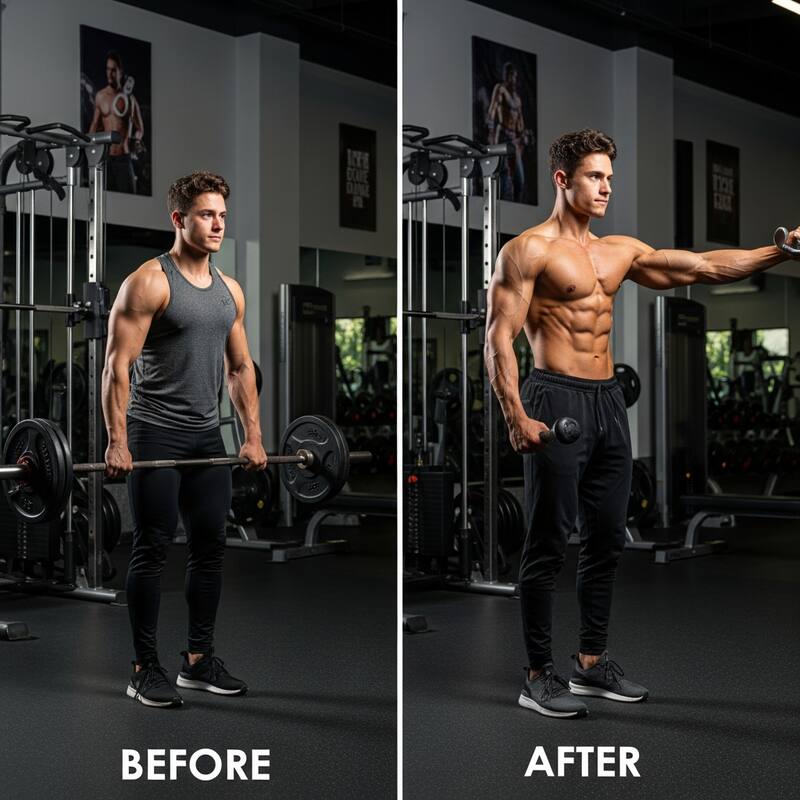
"I want to lose fat and build muscle — is that even possible?" This is one of the questions I get asked most often. The answer is yes, but with important caveats about who it works best for and how to do it correctly.
What Is Body Recomposition?
Body recomposition (or "recomp") is the process of simultaneously reducing body fat and increasing lean muscle mass. Traditionally, the fitness world said you had to choose: either cut (eat in a deficit to lose fat) or bulk (eat in a surplus to build muscle). Body recomposition challenges this either/or model.
The science backs it up. Multiple peer-reviewed studies have demonstrated simultaneous fat loss and muscle gain under specific conditions — particularly in beginners to resistance training and in people who are overweight or returning after a break.
Who Does Body Recomposition Work Best For?
Body recomposition isn't equally easy for everyone. It works best for:
- Beginners to resistance training — the 'newbie gains' effect means muscle builds rapidly early on
- People returning to training after a long break — muscle memory accelerates re-gain
- People who are overweight or have higher body fat levels — more stored energy available to fuel muscle building
- Intermediate trainees using an optimised, progressive programme with good nutrition
If you're an advanced, lean athlete, recomposition is possible but much slower. At that level, dedicated cut and bulk cycles are often more efficient.
The Three Pillars of Successful Body Recomposition
1. Protein: The Non-Negotiable
Protein is the single most important nutritional factor for body recomposition. You need it to build and preserve muscle while in a calorie deficit. Research supports 1.6–2.2g of protein per kg of bodyweight per day.
Practical example for a 75kg person:
- Target: 120–165g protein per day
- Breakfast: 3 eggs + Greek yoghurt = ~35g protein
- Lunch: Chicken breast + lentils = ~45g protein
- Dinner: Salmon + cottage cheese = ~50g protein
- Snacks: Protein shake or Greek yoghurt = ~25g protein
2. Resistance Training: The Engine
You cannot recompose without resistance training. Cardio alone will not build the muscle required for recomposition — you need the mechanical stimulus of lifting progressively heavier weights.
A basic recomposition programme should include:
- 3–4 resistance sessions per week, each targeting major muscle groups
- Compound movements: squats, deadlifts, bench press, rows, overhead press
- Progressive overload — increasing reps, sets or load over time
- 1–2 low-intensity cardio sessions (walking, cycling) for recovery and calorie balance
3. Calories: Moderate Deficit or Maintenance
For recomposition, eating at maintenance calories or a small deficit (200–300 kcal below TDEE) works best. A large deficit accelerates fat loss but makes muscle building very difficult. The sweet spot is just enough of a deficit to drive fat loss while protein and resistance training preserve and build muscle.
Don't rely on the scale alone
During body recomposition, the scale often stays the same or barely moves — but your body is changing. Fat is being replaced by muscle. Track with progress photos, tape measurements (waist, hips, arms), and strength increases in the gym. These tell the real story.
Realistic Timeline for Body Recomposition
| Timeframe | Typical Progress |
|---|---|
| Weeks 1–4 | Improved strength, better energy, initial tightening |
| Weeks 5–8 | Visible change in body shape, clothes fitting differently |
| Weeks 9–12 | Clear fat reduction, measurable muscle gain, significant strength increase |
| 3–6 months | Substantial body composition change, 4–6kg less fat, 2–3kg more muscle (typical) |
Body Recomposition for Women Over 35
Women in their mid-30s and beyond often come to me specifically for this. Hormonal changes from perimenopause onwards can shift where fat is stored and reduce muscle mass if resistance training isn't part of the routine. The good news: women respond excellently to recomposition protocols. Regular strength training not only improves body composition but also supports bone density, insulin sensitivity, and energy levels — all of which shift with age.
See also: Strength Training for Women Over 40 and Perimenopause and Exercise.
Want a Body Recomposition Programme Built for You?
Every client gets a fully individualised plan — training, nutrition targets, and weekly check-ins. Book a free consultation at my private studio in Sale M33.